

Why Architects Start Renovation Plans
With Laser Scans
When starting a renovation project, the first thing architects need—but the last thing they want to do—is a site measure. No two buildings are the same, and even original construction plans can be inaccurate compared to as-built conditions. Construction methods, environmental wear, and decades of maintenance (or lack thereof) create wildly different conditions across the spectrum of built environments architects have to work with. Even if you have paper plans—or better yet, DWGs—there’s no guarantee they reflect the building as it is today. Buildings often differ from original designs, especially after years of renovations, additions, or undocumented changes made by previous owners (or even yourself).

With 3D laser scanning, architects, designers, and construction professionals can now remotely see, navigate, and measure a space with precision, without ever setting foot inside.
As-built Condtions Are A Headache For Architects
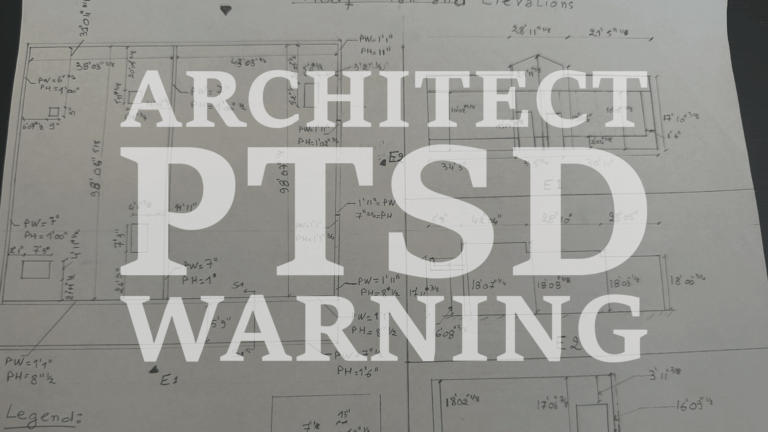
Even a simple residential renovation can be a headache to measure, and site conditions rarely match what’s on paper. Measuring by hand takes time and leaves room for human error because with quirky layouts, sloped floors, or decades of previous renovation, who hasn’t had to re-visit site for a missaed measurement or two? Working off guesswork or old drawings is a risky foundation to build on.
-
Nothing’s square. Older homes settle. Walls bow. Floors slope. Every inch is slightly off.
-
Previous renovations = chaos. DIY remodels and undocumented additions often mean floor plans are straight-up outdated.
-
Time drain. Manual measuring burns hours—and still leaves gaps or risk for re-visiting.
-
Unseen details. From bulkheads to beam placements, what you miss in a tape measure walk-through can become expensive change orders later.
And even if the client hands over old drawings, good luck relying on them. You might as well break out your Copic pens and markers.
One 3D Laser Scan Is The Solution
Laser scanning flips the script completely and provides architects, and everyone involved, even owners, with a single source of truth for all architectural elements of the building.
-
Pinpoint accuracy. Scans capture every visible building element. Surfaces, pipes, conduits, and clearances can be remotely measured down to millimeters. No room for guesswork.
-
Complete documentation. Architects get a full-colour 3D point cloud, complete with meta-information such as 360-photos and utility information.
-
Less disruption. Non-invasive scanning allows measurement in even the busiest environments, such as a full household or even retail space, minimizing downtime.
-
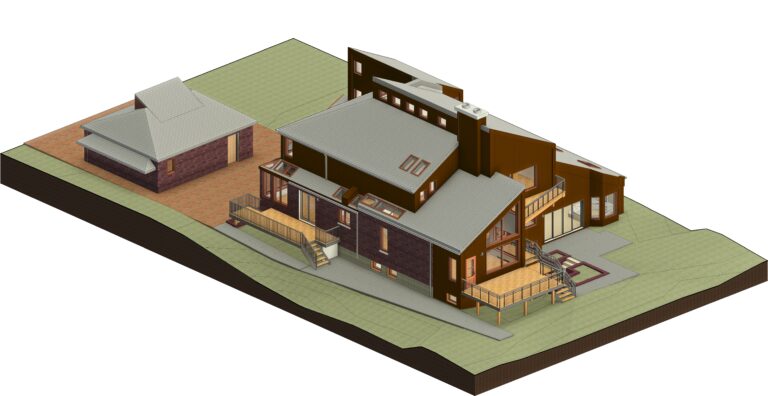
Seamless CAD/BIM integration. We model and draft from the point clouds in Revit, AutoCAD, Sketchup, and even ArchiCAD—allowing more time to focus on new designs, remotely.
-
Fewer RFIs. With accurate models, architects and contractors avoid costly assumptions and budget surprises.
No tape measures. No missed measurements. No guesswork. No fuss.
Laser scanners fire millions of LiDAR measurements per second to digitally record the built environment for use in other digital tools. With the pointcloud file, every crooked wall, difficult-to-reach detail, or curved geometry can be more easily measured, modeled, and drafted using our 3D laser scanning service.
Renovations Move Faster With Laser Scans
To get started with a renovation, the building owner vets architects, designers, and contractors. From the first consultation meeting, the clock begins to tick down to get a design permit-ready and shovels in the ground. Site measures are needed to get there, so when an architect or designer uses Point3D and 3D laser scanning and as-builts, they have confidence that accurate site conditions will be ready sooner rather than later. With the measurement process taken care of, the project manager and designers are free to complete existing projects or secure more renovation work.
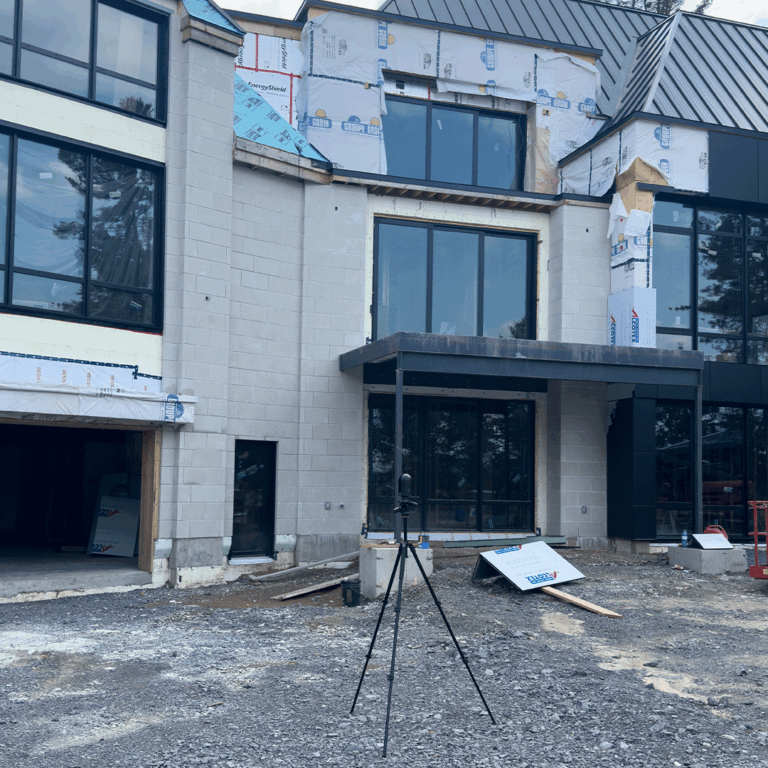
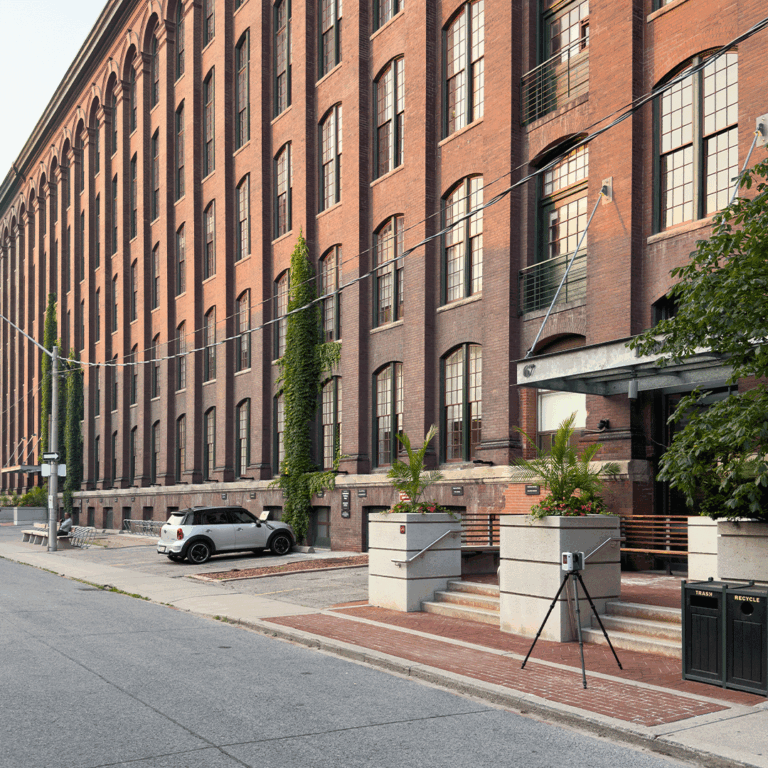
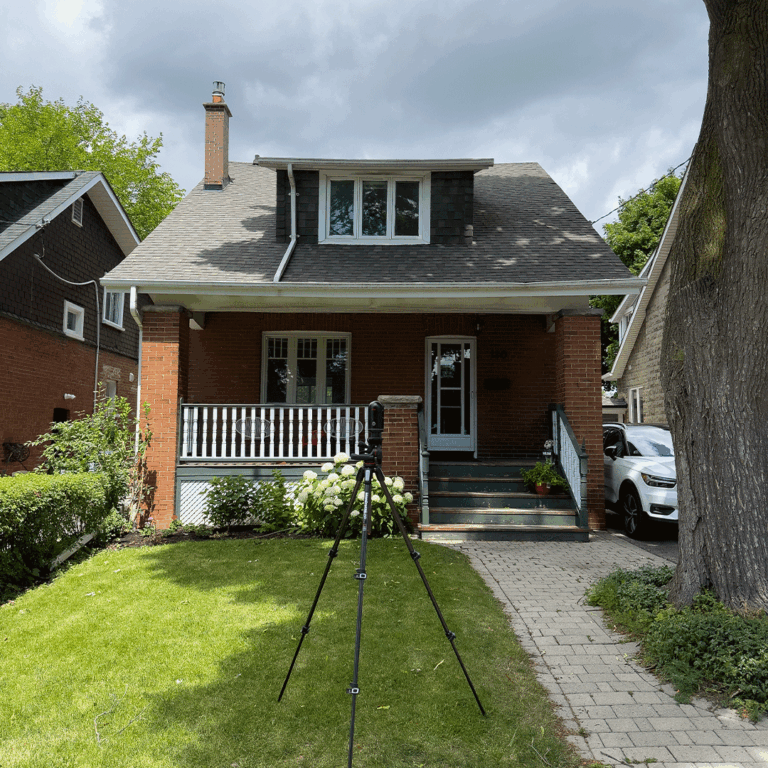
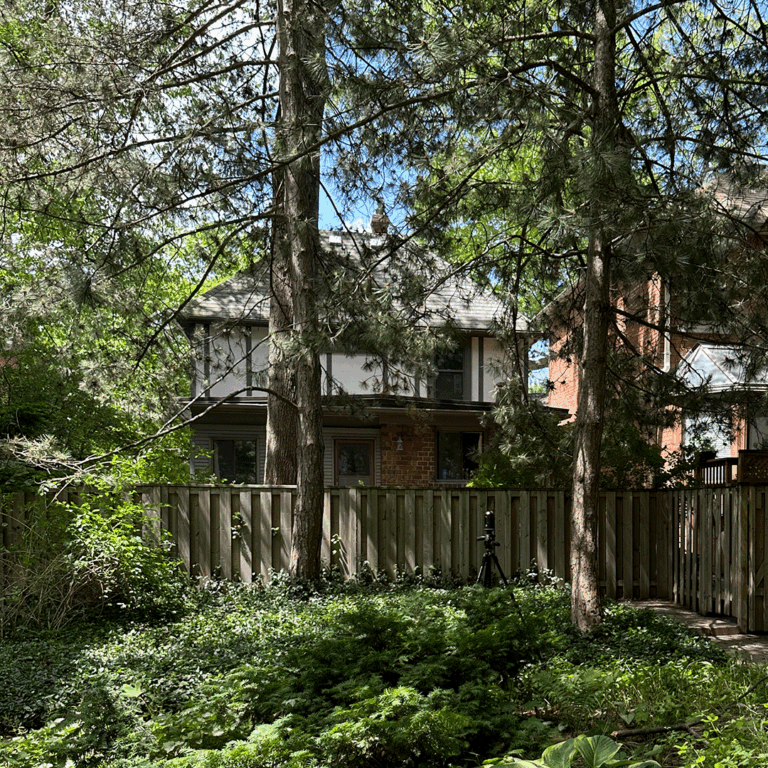
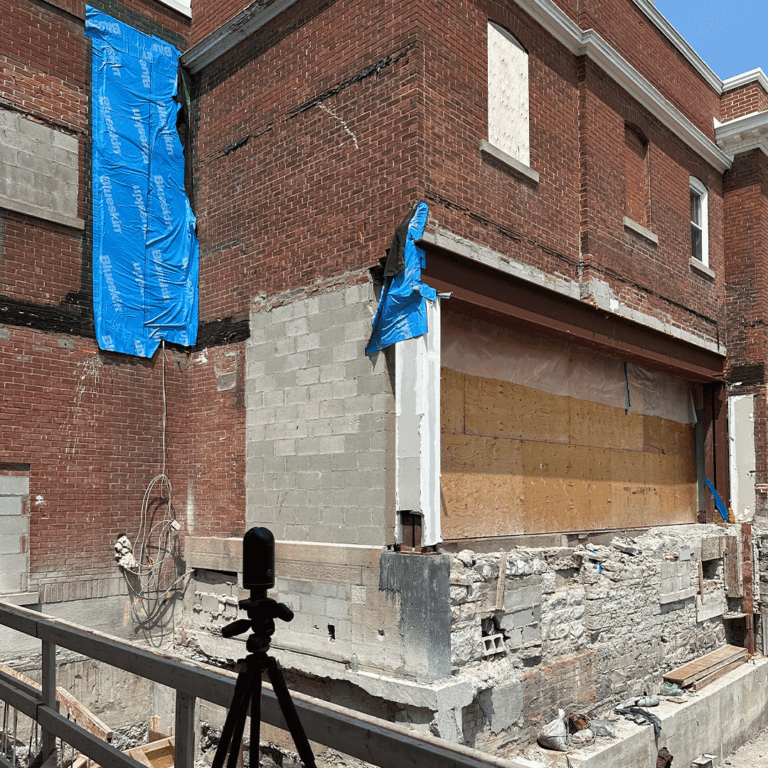
What Architects And Designers Actually Receive
-
Point Cloud Files (.RCP, .RCS, .LGSx, .PTS, and more) – Ready to drop into your software for modeling or reference
- BIM Files (.RVT, .SKP) – Parametric building information models (BIM) built to your spec
-
2D Floorplans & Elevations (.DWG, .PDF) – Easy-to-read, scaled, and clean
-
360° Virtual Walkthroughs (Matterport) – Revisit or share visuals of the site any time, remotely
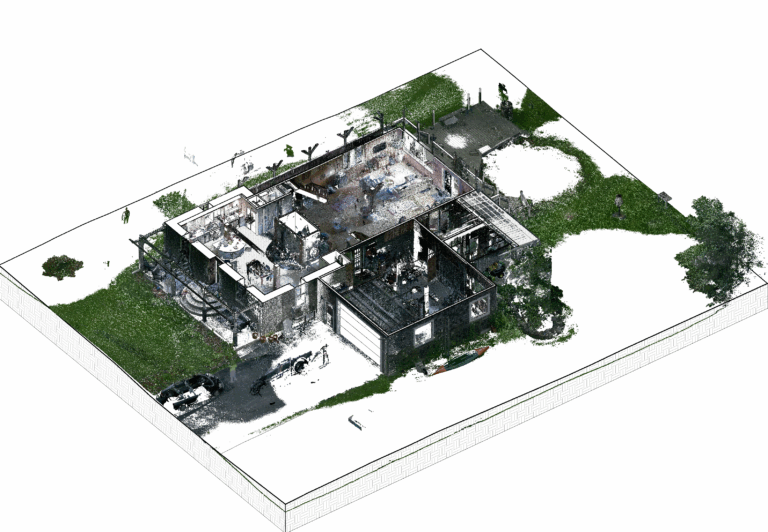
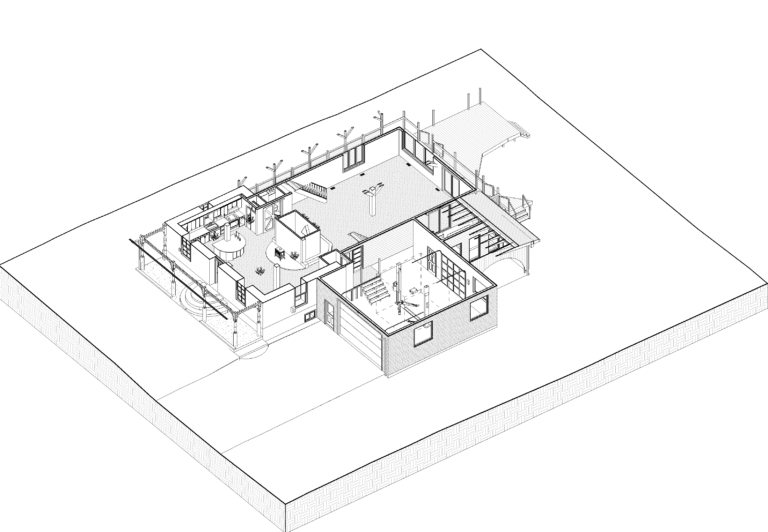
Laser scans and Matterport 3D Tours can be useful throughout the entire lifecycle of a building renovation. Of course, the existing conditions can be scanned for as-builts, but the ability to walk the building at different stages of construction allows for more project collaboration and documentation. For example, in the above Matterport 3D Tour, the utilities behind the wall have been documented for reference years later in order to find where plumbing lines run, or where a particular conduit may be.
Every Renovation Should Start With A 3D Laser Scan
Every architect has their own systems and ways to do things, but even the “dinosaurs” of the architecture profession understand the benefits 3D laser scan data can contribute early on in a project. From the onsite time-savings to better digital team collaboration, its becoming included in renovation proposals more than ever.
There’s just no going back to a pen, pad, and tape measure anymore.